
Summary
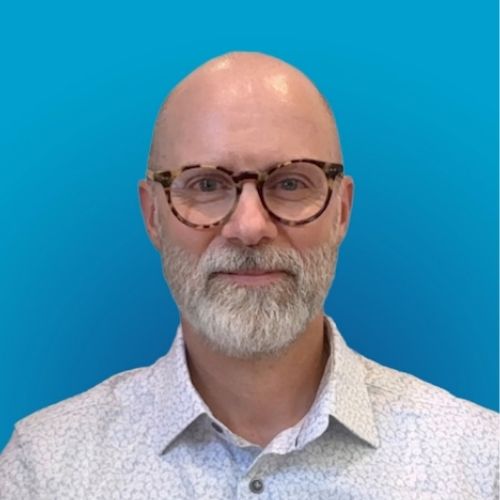


I've been lucky to have some truly great mentors throughout my career. It started with my first boss, Dr. Ray.
I was a busboy at a restaurant, and the owner was a lifelong entrepreneur. He had started his career running a successful dental practice, then went on to build several other completely different businesses, including retail and multiple successful restaurants.
Dr. Ray saw that I was both a hard worker and self-motivated to find ways to improve at every job, so he kept giving me new ones as long as I did them well. I went from being a seventeen-year-old busboy to working in multiple roles: waiter, cashier, bookkeeper.
I didn't know it at the time, but that's where the first seeds of "I could run a business someday" began. Doing the books and seeing the inputs and outputs of a business was invaluable; more importantly, it was having someone successful whom I looked up to, someone who believed in me and entrusted me with a level of responsibility at an early age.
Dr. Ray shared a number of anecdotes about his businesses, both the successes and the failures. The number one thing I learned from him was that anyone with a sense of curiosity, and a willingness to learn and adapt to changing conditions, can run a business. It doesn't really matter what your background is. That was very freeing for me.
Looking back, Dr. Ray was doing the thing I'd take years to learn. He figured out what motivated me and gave me more of it. Now that I'm running a company and in a leadership position, I often find myself in the role of a mentor. How I approach both mentoring and managing has changed a lot over the years.
In my mid-30s, I was very tactical. I was a co-founder running a small startup then, and I took a one-size-fits-all approach. I was really focused on what the people on my team needed to deliver, and provided a lot of direction on how I would do things if I were in their shoes. I think back to some of my former team members with different learning styles, and that approach makes me cringe a bit in hindsight. I certainly wouldn't call that mentoring. It's not the best way to manage and lead people.
I've always loved working with people, and helping them grow beyond the boundaries of their current capability set to take the next step in their career, or their life, whatever they might be trying to do. But you have to temper that with not imposing your own conceptions about what’s best for somebody, versus what they might want to do.
Something I've come to realize as I've grown is that everyone is different. You have to find the levers that motivate each person. One person might benefit from hearing an anecdote about how a company best practice came about, while another person might prefer you sharing links to helpful resources that they can synthesize on their own.
Some people like to receive recognition for their work. Others find intrinsic motivation in solving problems and are happiest when you give them new challenges, like Dr. Ray did for me.
A good leader also knows there’s a time and place for giving advice. Be mindful of when you give advice and how much, because sometimes less is more.
Knowing who on your team needs which levers, and when you should pull them, is key. That’s one of the things that separates great leaders from the pack.
"I’ve learned from Aaron for more than 18 years as a friend and startup leader with countless conversations about business and personal topics,” said Erick Mott, CEO at Creatorbase. "He lifts people up by engaging with trust, curiosity, and a keen interest in creating something meaningful in the moment and for future growth."
Help us help you and others
How are you co-creating the future in your business domain? Choose at least one action below to engage:
- Subscribe to the Creatorbase Brief™ weekly newsletter.
- Apply to join the original Creatorbase® community and media organization.
- Participate on a Co-cre8 project team to start your co-creation journey today.


